
In today’s interconnected world, safeguarding personal information is an ongoing challenge. The risk of identity fraud has grown as cybercriminals adopt increasingly advanced tactics to exploit vulnerabilities, requiring individuals and organizations to stay vigilant. Maintaining control over your digital identity is crucial, especially given the risks posed by targeted personal data collection through job applications, online transactions, or social media. For businesses, incorporating identity checks for hiring is one way to help prevent fraud at the source, ensuring only legitimate individuals have access to sensitive systems.
As fraudsters leverage the latest technologies, individuals must prioritize proactive security habits. This includes monitoring financial activity, adhering to digital hygiene best practices, and being cautious about sharing information online. Whether you are securing your personal accounts or managing employee data, developing a layered approach to protection is no longer optional but a necessity in today’s digital landscape.
Understanding Identity Fraud
Identity fraud occurs when someone uses your personal information, such as Social Security numbers, financial data, or login credentials, without your consent for deceptive purposes. The consequences of identity fraud can go beyond financial loss. Victims may also endure emotional distress, damaged reputations, and a lengthy and complex recovery process. For example, if a criminal opens accounts or makes purchases in your name, unwinding the damage can take months or even years.
The rise of digital services and online records has made personal data both more accessible and more vulnerable. Criminals target individuals and organizations indiscriminately, seeking any opportunity to exploit weaknesses in security or data handling practices. This widespread threat underscores the importance of maintaining vigilance and implementing robust protective measures.
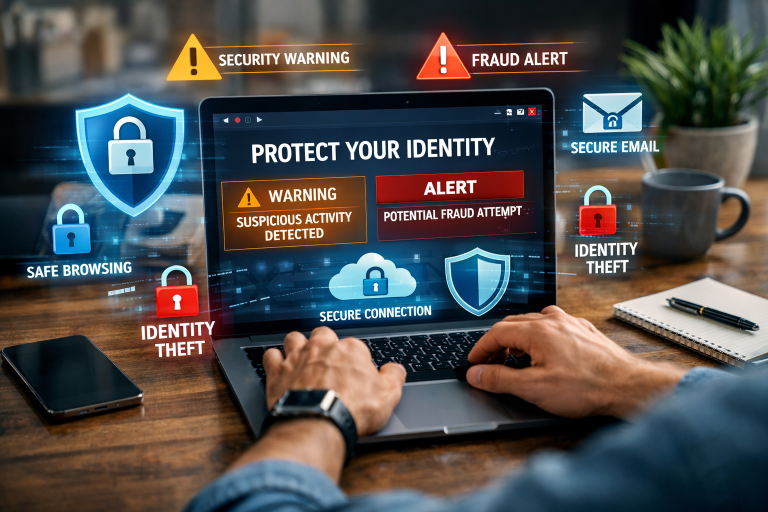
Common Methods Used by Fraudsters
Cybercriminals are skilled at exploiting almost any opportunity to steal information. Their approach is ever-evolving, exploiting common vulnerabilities and human error. Here are some of the most frequently used tactics:
- Phishing Scams: Deceptive emails, texts, or websites that appear legitimate but are designed to trick individuals into revealing sensitive information like passwords, Social Security numbers, or bank details.
- Data Breaches: Large-scale theft of personal information from unsecured databases. Even well-known companies can fall victim, compromising millions of records at once.
- Social Engineering: Manipulating individuals into disclosing confidential details. This could involve impersonating a trusted authority or using psychological tricks to lower a victim’s guard.
- AI-Generated Deepfakes: Technology that creates realistic audio or video impersonations, allowing fraudsters to convincingly mimic the voices or faces of trusted individuals to deceive their targets.
Proactive Measures to Protect Your Identity
The best defense against identity fraud is proactive. Taking a few extra steps in your digital life can dramatically decrease your risk of becoming a victim.
- Monitor Credit Activity: Obtain regular credit reports from major agencies and scan for unfamiliar accounts, loans, or hard inquiries. Inconsistencies may indicate fraudulent activity.
- Use Strong, Unique Passwords: Avoid using the same password for multiple sites. Utilize a reputable password manager to store and generate complex combinations.
- Enable Multi-Factor Authentication (MFA): Add a critical security layer by requiring a code or biometric validation in addition to a password when accessing sensitive accounts.
- Be Cautious with Personal Information: Oversharing on social media can make you a target. Double-check privacy settings and be prudent about which details you share publicly.
- Secure Your Devices: Keep operating systems and apps up to date and install a trusted antivirus solution. Enable encryption where possible to protect stored data.
Additional guidance on protecting your identity online is available from the Federal Trade Commission, which offers detailed steps for consumers and businesses alike.
The Role of Technology in Prevention
Technology is both a tool for criminals and an essential resource in the fight against identity fraud. Many identity theft protection services now feature monitoring systems that alert users instantly when suspicious activity is detected, such as new account openings or sudden changes to personal information. These alerts can enable you to take immediate action, such as freezing your credit or reporting a scam attempt, before further damage occurs.
Modern authentication methods, including biometric checks, behavioral analytics, and risk-based access controls, are now widely implemented by financial institutions and tech companies. By building multiple defenses and using artificial intelligence to spot patterns that might indicate fraud, organizations can stay one step ahead of criminals.
In addition, regularly installing security updates and using encrypted communications helps protect data from interception or manipulation in transit. Trusted password managers and secure cloud storage can also help maintain privacy and defend against unauthorized access.
For more insight into the technological developments driving cybersecurity, TechRadar offers in-depth coverage of industry trends and best practices.
Staying Informed About Emerging Threats
Staying current with the latest identity fraud schemes, security threats, and prevention strategies is essential for protection. Government resources and reputable news outlets frequently update consumers and businesses about recent scams and vulnerabilities. Informed individuals are better equipped to spot suspicious activity and take steps to counter it before damage occurs.
Subscribing to alerts from major credit bureaus, following cybersecurity news, or joining information-sharing networks can help you remain aware of shifting tactics. Education transforms people into the front line of defense against evolving cyber threats, reducing risk at both the individual and organizational levels.
Conclusion
Identity fraud continues to present significant risks as the digital world expands. By understanding how fraudsters operate and applying proactive strategies, anyone can enhance their resilience against attacks. The combination of human vigilance, up-to-date technological defenses, and ongoing education is the most powerful way to protect personal information. Maintaining a proactive, layered, and informed approach ensures that individuals and organizations alike can navigate the digital era with confidence and security.
 Lee Houston
  Leah Brook
  admin
admin