
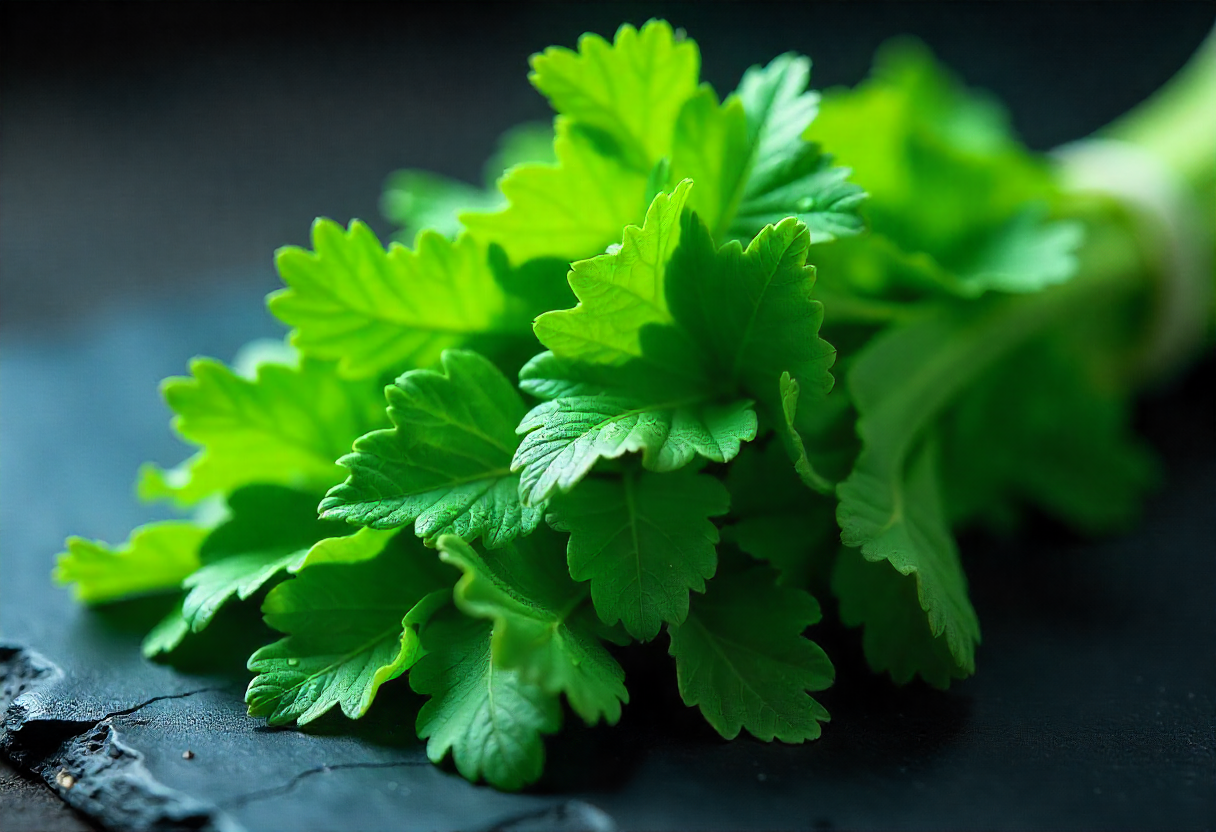
If you have ever explored the vibrant stalls of an Asian wet market or sat down for a traditional winter hot pot, you may have encountered a leafy green with a scent so distinct it stops you in your tracks. While it goes by many names globally, it is known affectionately in many regions as Tonghou.
Often referred to as the “Edible Chrysanthemum,” Tonghou is a nutritional titan that bridges the gap between a culinary herb and a leafy vegetable. With its unique peppery-floral aroma and its deep roots in traditional wellness, it is a must-try for any food enthusiast.
In this comprehensive guide, we will explore why Tonghou is becoming a global favorite, from its impressive health benefits to the best ways to prepare it in your own kitchen.
What is Tonghou?
Tonghou (scientifically known as Glebionis coronaria) is a species of chrysanthemum specifically cultivated for its edible greens rather than its flowers. Unlike the ornamental daisies in your garden, it is harvested when young and tender.
There are two primary varieties of Tonghou that you will encounter:
-
Broad-Leaf Tonghou: Featuring large, rounded leaves, this variety is succulent, crunchy, and has a milder, sweeter flavor.
-
Serrated-Leaf Tonghou: These leaves are thin, feathery, and deeply lobed. This variety packs a much stronger aromatic punch and is preferred by those who love its signature herbal “zing.”
The Flavor Experience: Why is it So Unique?
The flavor of Tonghou is difficult to compare to any Western vegetable. It sits somewhere in the middle of a flavor triangle consisting of mild mustard greens, fresh celery, and black pepper.
Because it is rich in essential oils, it provides a “cooling” sensation and a floral aftertaste that lingers pleasantly. This complexity is why it is rarely eaten alone in large quantities; instead, it is used to cut through the richness of meats or to add a layer of sophistication to simple broths.
The Health Benefits of Tonghou: A Nutrient-Dense Superfood
In Traditional Chinese Medicine, Tonghou has been used for centuries to “clear the lungs” and “soothe the stomach.” Modern science supports these ancient claims by highlighting its incredible nutrient density.
1. A Rich Source of Antioxidants
Tonghou is loaded with flavonoids and beta-carotene. These antioxidants help protect your cells from oxidative stress and inflammation, which are key drivers of aging and various chronic diseases.
2. Blood Pressure and Heart Health
High in potassium and low in sodium, Tonghou is an excellent dietary choice for those looking to manage their blood pressure. Potassium helps the body balance fluids and eases tension in the blood vessel walls.
3. Digestive Support
The vegetable is high in dietary fiber, which aids in digestion and prevents constipation. Furthermore, the aromatic oils found in Tonghou are known to stimulate the appetite and may help reduce bloating after a heavy meal.
4. Bone and Blood Health
It provides a significant amount of Vitamin K and Iron. Vitamin K is essential for bone metabolism and blood clotting, while iron ensures that oxygen is efficiently transported throughout your body.
How to Select and Store the Best Tonghou
To enjoy the true flavor of Tonghou, freshness is paramount. Here is how to pick the best bunch at the market:
-
Color Check: Look for a deep, vibrant green. Avoid any bunches with yellowing edges or dark, slimy spots.
-
The “Snap” Test: Gently bend a stem. It should be firm and snap easily. If it feels bendy or “rubbery,” it is likely old and will be tough and stringy when cooked.
-
Storage Tips: It is highly perishable. Wrap the unwashed leaves in a damp paper towel and place them in a reusable silicone bag or a perforated plastic bag in the fridge. It is best consumed within 2 to 3 days.
Culinary Techniques: How to Cook Tonghou Like a Pro
The secret to perfect Tonghou is minimal cooking. The delicate leaves wilt almost instantly, and overcooking them can lead to a loss of aroma and a slimy texture.
The Hot Pot Staple
In East Asian culture, Tonghou is the undisputed king of the hot pot. Simply take a bunch with your chopsticks and swirl it in the boiling broth for no more than 20 seconds. The leaves absorb the savory broth while retaining their peppery bite.
60-Second Garlic Stir-Fry
For a quick side dish:
-
Heat a wok with a tablespoon of neutral oil.
-
Add minced garlic and a small pinch of chili flakes.
-
Toss in the Tonghou and a splash of soy sauce.
-
Flash-fry for 60 seconds and remove from heat immediately.
Tonghou in Soups and Stews
If you are making a miso soup or a clear vegetable broth, add the Tonghou at the very last second. Turn off the heat and let the residual warmth of the soup wilt the greens. This preserves the bright green color and the volatile oils that give the plant its scent.
Growing Tonghou in Your Garden
If you have a green thumb, you’ll be happy to know that Tonghou is incredibly easy to grow. It is a cool-weather crop, meaning it thrives in the spring and autumn.
-
Sowing: Plant seeds directly into the soil about half an inch deep.
-
Sunlight: It prefers partial shade to full sun. If the weather gets too hot, the plant will “bolt” (flower), and the leaves will become too bitter to eat.
-
Harvesting: You can start harvesting “baby Tonghou” just 30 days after planting.
Conclusion: Elevate Your Plate with Tonghou
Tonghou is more than just a garnish; it is a versatile, health-boosting ingredient that brings a unique “forest-fresh” dimension to your cooking. Whether you are using it to balance a spicy soup or enjoying it as a quick, garlicky stir-fry, this “Edible Chrysanthemum” is sure to become a favorite in your kitchen.
Next time you see those feathery green leaves at the market, don’t pass them by. Grab a bunch and experience the aromatic magic of Tonghou for yourself.